• Guts. Glamour. Guerilla: Crafting Captivating Campaigns with a Twist

    The world of advertising is very evolving and in some parts of the world much slower to consume. Therefore, ensuring that students are well equipped with the various forms of creative solution and strategies in advertising and design. As such, a table talk over kimchi and rice with my fellow colleague, Ally, led us to brainstorming a mini workshop on Creative Guerrilla Marketing.

    Students paying attention as they were being introduced to a foreign form of marketing strategy. Photo credit: Ally Cher

    As the workshop was aimed to introduce students to unconventional tactics and granting them with an opportunity to breakaway from the traditional forms, students were challenged to pitch campaign ideas that can be implemented and explored to combat the global malnutrition and food insecurity. Kickstarting the workshop, student were acquainted with the concept and its core principles of cost-effectiveness, creativity and the idea of creating a memorable experience for its consumers. To reinforce this, several case studies were shared with students to inspire and highlight the immense impact this marketing approach can have. Among the cases shared that created a good impact for society was the 2009 Volkswagen’s Piano Staircase. The campaign was a significant hit because of it interactivity and cleverness in converting the subway steps into black and white piano keys. These overlays were fitted with mechanics that would release sound when one steps upon the keys. As the aim was the “change people’s behaviors for the better” by encouraging walking as opposed to taking the escalator, the results was received and praised. Hence, successfully promoting exercise and health with a “designing for good” to inspire campaign.

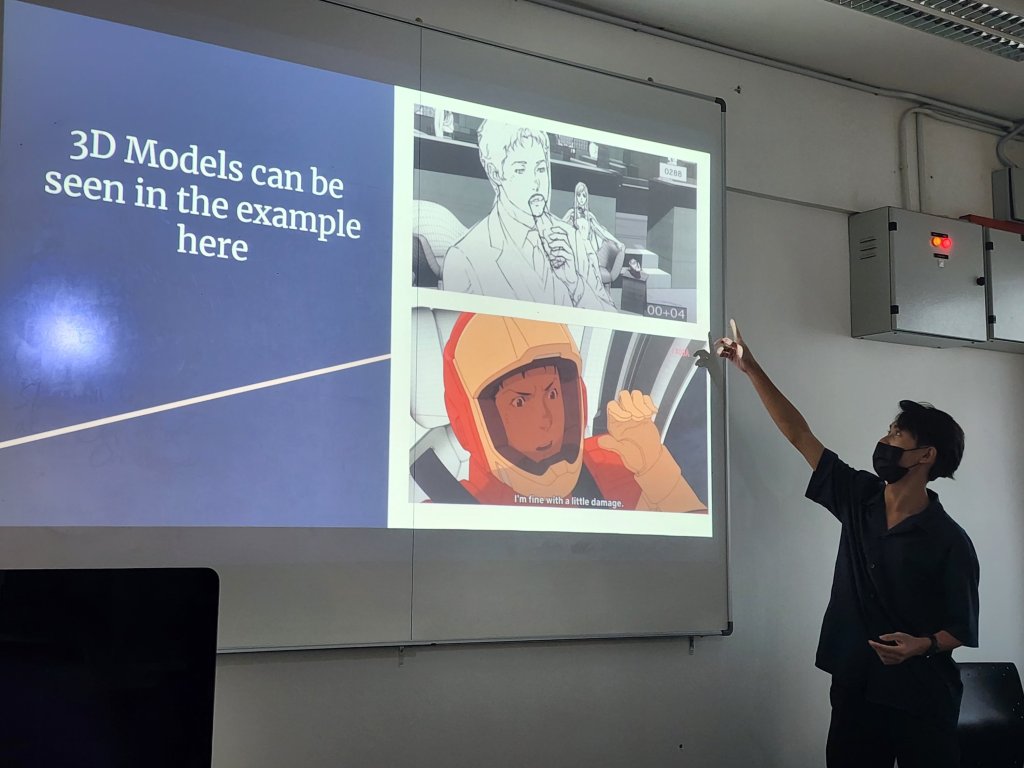
    The author shares and presents some real-life campaigns to analyze the impact it had towards its consumers. Photo credit: Ally Cher

    The enthusiasm and creative energy was building and it was finally time to break students into smaller teams to generate ideas. Collaborating closely, they considered the demographics and how each campaign strategy can or may not be received by the current consumers. Nonetheless, the ideas that were pitched were nothing short of remarkable as each group presented a well-thought-out campaign pitch that had the potential to garner the targeted audience and inspire real call-to-action.

    When the moment arrived for each team to present their pitches, the keenness was undeniable as some standout proposals included transforming public spaces into an interactive installation that would simulate the struggles of malnourished individuals through sound and multimedia visuals; and, using though-provoking illusion art in high traffic areas that reveals not just hidden but reflective messages about global malnutrition and food insecurity.

    In a nutshell, the workshop left an indelible mark on the Diploma in Graphic Design students as it empowered them to think beyond the traditional forms of advertising and to seek to create waves of change with unconventional, low-costing methods. These aspiring designers have the potential to make a significant difference in the world by using their skills to raise awareness, incite change and ultimately design for good to ultimately bring positive change to the society and world.

  • An Orientalising Experience through Time

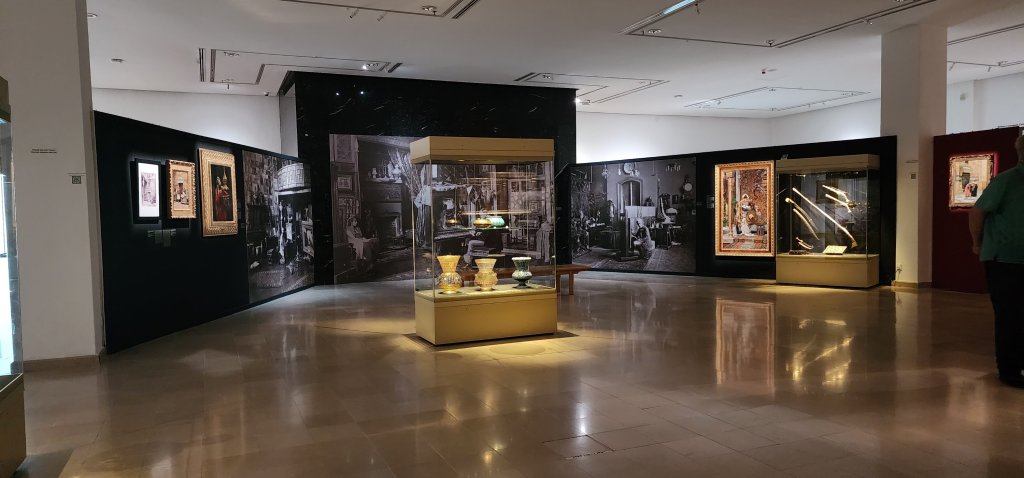
    As part of my teaching here at INTI Center of Art and Design (ICAD), Subang for the History of Art and Design subject, it is routinely to visit a place of the arts and to explore and experience the arts using the sense of seeing to be able to analyze, describe and interpret the art that the students view. Interestingly, for this time around, the visit was directed to the Islamic Arts Museum Malaysia, located in the very heart of KL to view their featured exhibition titled Orientalist Paintings: Mirror or Mirage?

    Ms Khadijah giving an overview explanation to the Foundation in Design students on the western influences that makes the Orientalist Art Period

    Personally, the Orientalist Art Period is one that is very foreign to me and at a single glance, I would have just shoved it under it root topic of Islamic Arts and Architecture. That being said, I was enamored by the vivid colours and intricate details each of the paintings depicted and truth be told, it was something rather foreign as traditionally, there are no human figures depicted in Islamic arts. The exhibition that features a collection of paintings by European artists who were fascinated by the exoticism and mystique of the Middle East and Northern Africa showcase great passion in its depiction of people, landscapes and architecture of the Orient. Each stroke and every chisel was taken into great care to creating a visual representation of the cultures and the traditions of the region.

    A comparison of paintings: (Left)The Coffee Service (gouache on paper laid on a panel, year unknown); (Right) Girl with the Pearl Earring (oil on canvas, 1665). Johannes Vermeer. Photo: Rijksmuseum, Holland

    Among its vast collection was Carl Haag’s The Coffee Service, which truly captured my attention as it shared a close similarity to the infamous Johannes Vermeer’s Girl with the Pearl Earring. A single glance the visual compositing is uncanny as we would notice the model wears an alluring smile while sporting a scarf headwear. Nevertheless, both subjects prominently display the earrings. Taking into observation of both paintings, you can not deny the mastery at capturing the human expression and the distribution of light in the composition. Though respective of their styles, it is wonderful to note the intriguing visual contrast between the Dutch Golden Age painting and Orientalist art as both paintings do capture the delicate features of the subject. Viewers are instinctively drawn to the girl’s gaze and the brightly-lit earring. Additionally, extra attention to details are given, particularly in the texture of the fabric and in capturing the human expression hence creating a personal connection with the viewer. Clearly, though separated by time, these masterpieces demonstrates richness and diversity of creative expression and visual observance.

    Moving onwards, students were introduced some elements you would see in Orientalist architecture as its exotic influences comes from various architectural styles, namely, Islamic, Persian, Mughal and Arabesque motifs.

    Orientalist Architecture

    Orientalist architecture, also known as Neo-Moorish or Indo-Saracenic architecture refers to a style that emerged in the 19th century in and around Europe and America. Its a style that was inspired by Eastern or “oriental” architectural traditions. This is a period marked by exploration, colonialism and cross-cultural encounters.

    Architectures were diverse in style and were seen to incorporate elements like Gothic revival, Renaissance and Baroque influences. Materials of choice also included brick, stone, stucco, and tiles.
    These intricate tile patterns were often seen in wall coverings, floorings and decorative elements as they contributed to the overall charm of Orientalist culture. Designs often sported in geometric with floral and vegetal motif with a vibrant colour palette – cobalt blue, turquoise, emerald green and deep red.

    Aside from their special exhibition, the Islamic Art Museum Malaysia houses an amazing collection of stunning architecture models that blends traditional Islamic elements with contemporary design. From calligraphy to ceramics, textiles to metalwork, the museum prides in her diverse collection of artistic masterpieces that heralds from around the Muslim world through the ages. Amidst all this lies the ceramics and pottery section that is a personal favorite. The vibrant colours and delicate designs that are handcrafted finely, never fails to take my breath away. The beautiful blue and white tiles of Iznik and the intricate floral patterns of Persian pottery embodies the artist’s deep appreciation for nature and the unwavering dedication to perfection.

    Overall, the visit to the Museum was an enriching experience as it allowed students to delve into the glorious world of Islamic art, architecture and culture and introduces them to the power of art and its ability to bridge cultural divides while fostering a basic understand and appreciation for History of Art and Design for their course. On that account, the on-going special exhibition is must as it will take you on a captivating journey through time and a chance to reflect on the unique perspective that conjoins Western and Eastern influences into the very art and traditions of the Islamic world.

    Osman Hamdi Bey’s ‘Young Woman Reading’ (oil on canvas, 1880), which is part of the ‘Orientalist Paintings: Mirror Or Mirage?’ exhibition at the Islamic Arts Museum Malaysia in Kuala Lumpur.

    Orientalist Paintings: Mirror or Mirage?

    2 June to 15 October 2023
    9:30am to 6:00pm daily

    Only at IAMM, KL

  • Zen some time to Inhale and Exhale

    There is something in the nature of tea that leads us into a world of quiet contemplation of life.

    Lin Yutang
    Ms Ting Yu Ling explaining the historical background of Taiwanese Tea Culture

    Every once in a while, we need to explore and experience something different. For this semester, to give our exchange Sheffield Hallam University students from the UK a foreign experience of Taiwanese culture, courtesy of our lecturer, Ms. Ting Yu Ling.

    The act of pouring tea which symbolizes respect and admiration

    Tea is an integral part of the Taiwanese cultural heritable with a history that goes way back to the Song Dynasty. It was truly an interesting share as Ms Ting briefed the students on how the Taiwanese people have developed a deep sense of appreciation for tea and the art of thoughtfulness. As such, ICAD welcomed Ms Ting to share the experience of this unique and revered tea culture to our guests to have an immersive feel into a basic introduction to the Taiwanese Tea Ceremony and Culture and how it has become an essential part of Taiwanese life.

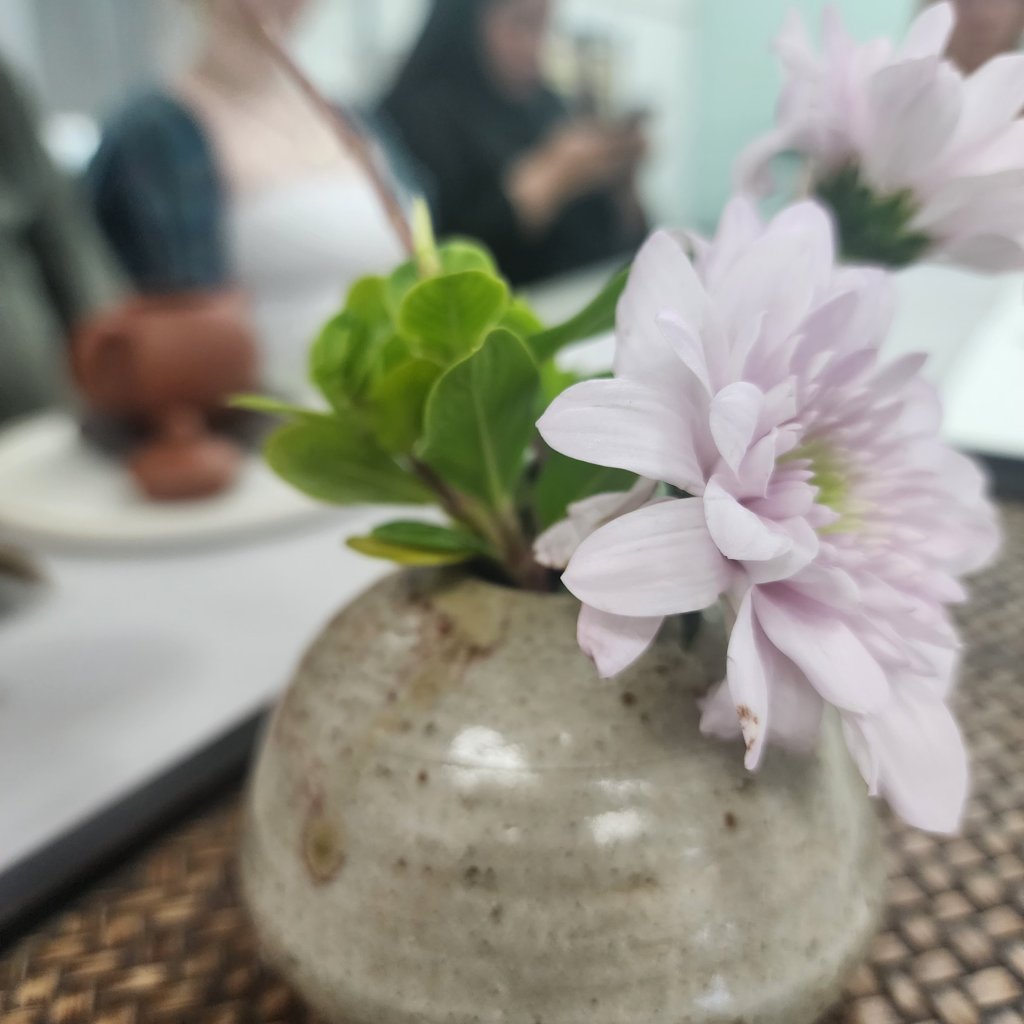
    When it comes to the preparation, it is a meticulous and ritualized process that requires a certain amount of skill and patience. It is not just about brewing the tea leaves but also the setting up that requires one to enter into a state of mindfulness and peace. As she continues to share, Ms Ting mentioned on how one would take the time to ponder on the floral arrangement – the art of ChabanaCha meaning tea, and bana meaning flower in Japanese. The artform that can be considered as a transient art, wherein the beauty though short-lived is appreciated and honored.

    From flowers to setting the table in zen finished with a calligraphic writing courtesy of Mr. Tee Ying Jie (@cissetee)

    Interestingly, the setup is finished with the burning of good quality incense with the pure intention of purifying the space for body, mind and spirit whilst awakening the senses to fully inhale the tea-drinking experience. Additionally, it serves as a warm welcome to the guests who enters the space to take time to unwind and admire the hanging scroll and floral arrangements.

    Now that we have settled in, Ms Ting slowly introduces the tea leaves that will be brewed – the first round, Taiwan Pouchong Tea and, the second round would be Taiwan Honey Black Tea. It’s vital to know that Taiwanese teas come in many varieties, flavors and aromas with each class having a distinct set of characteristics that will make it unique. The most popular types of tea includes oolong, black teas and green teas, and the highest qualities teas are grown in the mountainous regions of Taiwan, where the cool climate and mineral-rich soil produce teas with exceptional flavour profiles.

    That said, Taiwan Pouchong Tea is classified under the Oolong Tea Family whilst the Taiwan Honey Black Tea as per name belongs to the Black Tea Family. Each releasing a different experience of taste and smell to the tea-drinking enthusiasts. Personally to me, I would prefer the Taiwan Honey Black Tea over the Pouchong Tea simply as to the mild caramel taste that comes as an aftertaste to drinking the Honey Black Tea. The Pouchong Tea though sweet smelling, doesn’t not have a very strong aftertaste in comparison to the Honey Black Tea.

    One however must remember that in Taiwanese culture, tea is more than just a beverage. It is a symbol of hospitality, respect and friendship. The ceremony involves many elements of etiquettes that are similar to other tea cultures around the world. First and foremost, the ceremony involves the preparation and serving of tea in a specific order. We must each remember that throughout the pouring session, it is respectable to maintain silence to observe and meditate on the tea experience as we go.

    Having experienced this tea ceremony (more than once or twice with Ms Ting for me), our esteemed young guest took home an entirety new experience and exposure to the long-old tea tradition and heritage.

    The meditative and contemplative art of floral arrangements
  • Missing again…

    I know I should start writing again but just haven’t gotten a chance to sit and think about what to write. Let me take a breather and see can inspire me in the next few days.

  • KLIF 2023: Immersing in Art

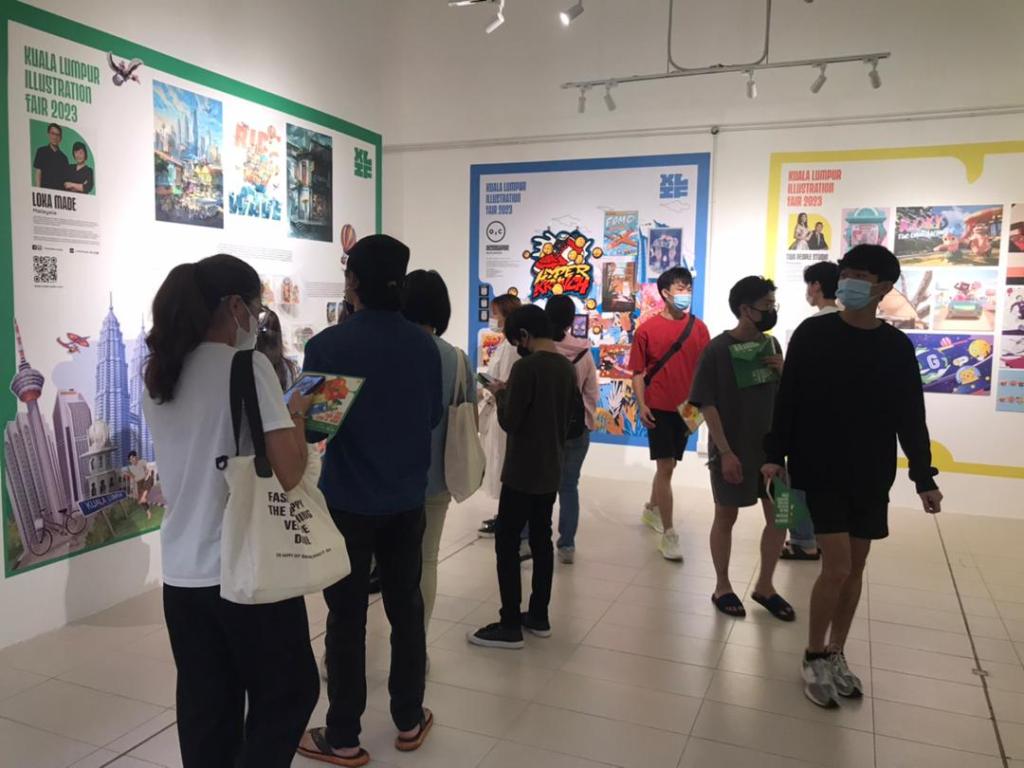
    The long awaited KL Illustration Fair 2023 had finally launched however unfortunately for me, I could not get a chance to attend the conference talks but alternatively, I got the opportunity to haul my students from Basic Digital Imaging (photoshop class) to get an exposure of the variety of design styles that are out there in the “real world”. Additionally, it was to implant in them the idea of testing the market with their creations.

    The KL Illustration Fair 2023 was launched on Friday 5th May and closed yesterday Sunday, 7th May and featured an array of gifted illustrators and designers from the Local and International Arena.

    It was definitely a feast for eyes as the many artist featured their original ideas and interestingly some even too ideas from childhood days (something any child born in the 80s in Malaysia can relate to.) This turned to be inspiration as to how one can use their surroundings as a source of concept ideas. And like all art, one thing always leads to another and we see that art is not just confined to the paper but also turned into accessories.

    Local Delicacies from childhood memories

    Photo credits to Vivian Dumpangol

    Some nyonya goodies
    White Rabbit Sweets and Bachang anyone?
    Hi Yiqing!

    Who was your favorite artist?

    It was an interesting day well-spent and it was also a great feeling to see some of the students actually trying to understand how the artist had created their pieces of work. Psst… maybe I’ll try to join next year *cross fingers*

    And well of course, since I am already here at GMBB, I could not avoid my favorite traditional art form – Wayang Kulit but with a twist!

    If you haven’t heard or seen the works by Fusion Wayang Kulit, be sure to stop by GMBB to take a look at the process in creating the puppets and feast your fantasy in seeing your favorite comic heroes being wayang kulit-ed!

  • Trying to Dalang: A Wayang Kulit Workshop

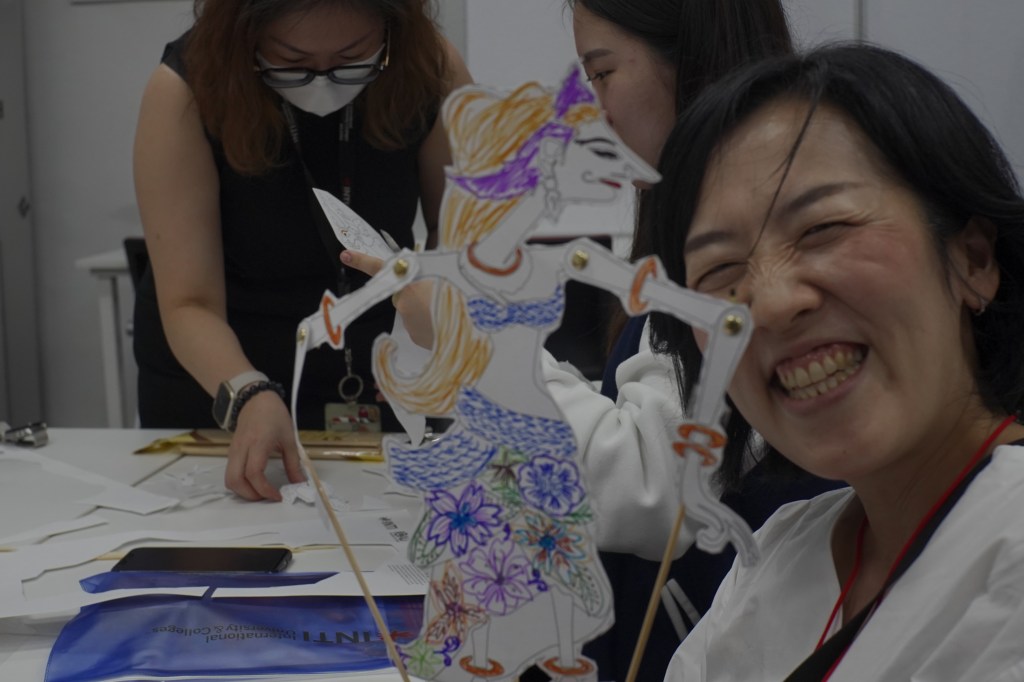
    Yesterday at work we had an interesting international group of parents and students from Japan, the land of the Rising Sun. So the team of us who were assembled 3 weeks ago, made them the modern day Dalang with paper puppets and stop motion techniques.

    Why Dalang? Well in the classical theater of Wayang Kulit, a dalang is the lead puppeteer who sitting behind the scene would animate each puppet while telling a story. These stories were either epic tales of Rama from the Ramayana or the Mahabharata… or as the arts evolved with the infusion of culture and religion — the adventurous tales of Amir Hamza and his search for the True Faith.

    Traces of Wayang Kulit too can be found as predating as far as the golden age of the ancient Greeks. However, for the Malaysians, this form of art originates from Java with hints of Hinduism and Buddhism in its design.

    Taking that as our basis, we formed a workshop wherein our visitors could decorate their wayang kulit puppets with some Malaysian motif designs commonly found in arts or batik. Which then later is animated using stop motion techniques. Our visitors seemed very intrigued by this idea as it was something new for them and got really competitive with designing and later on in their animating.

    Of course I could not allow myself to be left out without preparing a demo piece for “showing off”. And so, for my set of designs (a little over ambitious I was) I chose to prepare three of the five characters that were available for the workshop and using Artline Stix and Artline Pens to doodle away and colour to create contrasts and spice.

    And once it was complete, it was time to animate it and here was my final outcome!

    Animated with voiceover by my colleague and friend, Hamzah

    Overall it was a joyous event of learning and exploring with colour and motion. Perhaps in the future, we could try other forms of cultural arts and see how we can creatively infuse them with our modern-day tools and techniques!

  • Under the Sea, floating full-time

    Underwater life has always fascinated me, especially if you are a kid who grew up loving Disney’s Under the Sea song by Sebastian the Crab. That said, it has taken me years to visit KLCC Aquaria! And jolly well, was it truly entertaining!

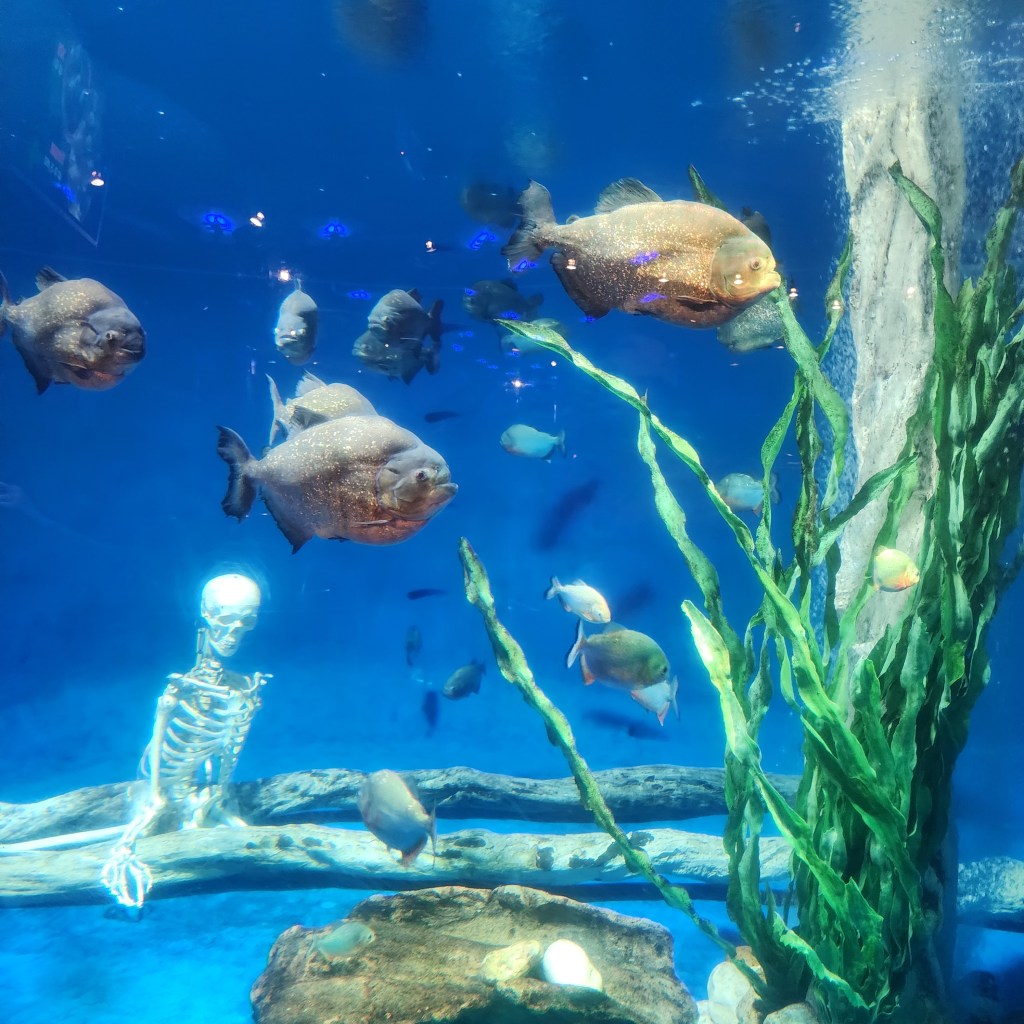
    Upon collecting the tickets, the first block is these creatures – the infamous Piranhas. It was indeed slightly creepy as the school was not moving 😬. It was as though they just had a good meal and were probably in a food-coma mode. Nevertheless, they are known to be aggressive, and even though the media has portrayed them as vicious, they are known to move off unless it were a bloodied, raw piece of flesh that was dangled around them.

    Interestingly, the entire marine exhibition has been broken into several parts to incorporate sight and learning. The arrangement truly does cater for all marine enthusiasts, hobbyists interested in rearing aqua-life, and for pure knowledge interest. This is clearly seen, especially as we enter the space.

    Right after being greeted by the Piranhas, we caught a glimpse of some aquascaping! My first encounter with the idea of aquascaping came somewhere in 2008, where my then-colleague had this little aquarium setup within his cubicle space. What fascinated me then was the co-existence of live plants and the various types of fish. It was such an inspiring sight. Circling back to Aquaria, the section kicks off, with a beautiful display detailing facts about underwater plants and land plants; types that co-exist with freshwater fish-types and saltwater types (marine / sea life)

    Moving along, we slowly venture into the “Shipwreck” section, and, as it name suggests, we see various types of fish what live alongside the garden of corals. Fascinatingly, eels too come in bright colours and cute spots!

    Bioluminescent life. This is where one can assume the AVATAR the Movie was inspired from.

    To be honest, if there weren’t that many people, I would have enjoyed the quietness however, it is a learning experience for the younger generation and also a good place for families to spend a day outing and “fishing”.

    Going in further to see bigger fish.

    (Above) A cylindrical tank featuring a school of tilapias!

    (below) Some really ancient fishes. Some fishes can really, really grow.

    Alligator garfish and Arapaima from the “Flooded Forest” section

    The best was yet to come as we finally arrived at the underwater tunnel. The tunnel runs on a moving ramp wherein visitors can stand still and enjoy the view in 180 degrees. Nevertheless, my first impression was not that good as I was getting slightly annoyed at the person standing in front of me who kept replaying her TikTok on full (irritating) music volume, and, added to that the ramp was slightly jerky and squeeky! There were at some points where we hopped onto the sidewalk (a lane designed for parents with prams or visitors on wheelchairs) and walked a short distance ahead to get some good views. But hey! if you do get a chance to visit, stay tuned and look out for a diver who would feed these wild things while drawing bubbles to entertain you!

    Anyhow as our journey was coming to an end, I finally got to see my two favorite sea creatures and as much as I wish there were more types to see — I’ll be grateful I still got to see the alluring jellyfishes and sea horses.

    The “Station Aquarius” that showcases some jellyfishes and Seahorse.

    Of course, no journey is complete if you don’t take home a keepsake memory in the form of a photo or plushie. This and much more can be found nearer to the exit as you head on home.

    Overall, I will definitely pay another visit to Aquaria but perhaps on a less travelled day. Till the next travel tales, signing off with a shoutout to Klook Malaysia for giving great deals such like this with Aquaria KLCC.

  • Walking amongst “Heroes” and (some) “Villains”

    Growing up, DC and Marvel comics were definitely the two comics I loved. Focusing on DC comica, it was always the handsome and quirky Clark Kent/Superman and the show off yet secretive Bruce Wayne/Batman. So when it was announced that “The World of DC” would be exhibiting here in Malaysia, I was excited and now finally glad that I could actually visit it. (Yes, I took my chances and waited till it was a week before the exhibition comes to close!)

    The exhibition was pretty quiet as days had already passed, and the initial enthusiasm had died down. This made it easier for me to appreciate each of the sections. As we pass the DC entrance hall, visitors are able to view DC Movie Posters, and from there, we walk into the Hall of Superman!

    The World of DC in 30 seconds

    Within each exhibition, there are at least one or two multimedia displays that are exhibited that allow a form of interaction. Either by motion sensor or touch sensor, each display allowed its visitors an experience. My personal favourite was the re-enactment display from Aquaman (2018). Wherein, you step into a marker and a sensor detects your presences to simulate the similar experience as Arthur received and as you step away the sea creatures turn their gazes away from you. This type of interaction gave a better feeling as compared to the previous in the Batman section where we would be able to light up the suit cases by placing our palm on the sensor.

    Step into the circle. Now you have a connection with the underwater.

    Unfortunately, I was a little disappointed as to not experience the interaction from the Wonder Woman section. The setup used both a sensor and an X-Box to interact with a game-like sequence. However, there was no guide or anyone to assist and so I walked on to others.

    Just as much as the Heroes were featured, some of the Villains who did get a moments glory as “heroes” were also on display such as Joker and Harley Quinn and the infamous crew from both Suicide Squad 1 and 2.

    Each section was really tailored to the movie franchise, and any fan who has watched all would appreciate each of it. If you have yet to visit, you still have until the end of this month! Head over to https://woweventasia.com/the-world-of-dc-exhibition to book a ticket or head over to Tropicana Mall now.

    The details on each of the models!
  • Deconstructing What You See and Do

    Ever quite recently, we took a bunch of our students on a college field-trip over to Petrosains KL. One couldn’t help but wonder why of all the places would we choose to go to Petrosains KL and well for starters, I hadn’t been there ever in my life. However, what made this trip fascinating was getting students to see beyond the interaction and try to decipher how it was attempted (and if they could propose a better interaction).

    Students were gathered early (as soon as Suria KLCC) was opened and that was simply cause we got word of another group coming over and we wanted to beat them to it. In all honesty, it was far easier to move around and observe the interactions when there are lesser human beings around. Nevertheless, Petrosains is a Malaysian Science and Technology Museum located in the heart of KL and it is well-known for its scientific displays and interactions. The site was created as a learning experience for younger learners and to give them the exposure to STEM (science, technology, engineering and mathematics) in a fun-loving manner.

    General admission rates can be easily found one their website and when it comes to students on a field-trip, it would be a flat rate of RM13 (for as long as they are able to produce their active student ID cards). At the counter, you are given an option to just walk-in or one can have the experience of entering the Energy Capsule – a mini indoor train ride that takes you through a tunnel of time. Interestingly, it gives you a better insight into the early days of the Industrustrial Revolution period to what it is today and possibly into the future to come.

    There are several halls as you navigate about the exhibits:

    • Sparkz – This hall yields to young children and the adults as it creates a good interaction between both the adults and children. This area focuses more on arts and music!
    • Oil Rig Platform – Now this bit is an interesting bit as it introduces her audiences to how oils are discovered through an interactive multimedia game and the processes interestingly is displayed using projection mapping.

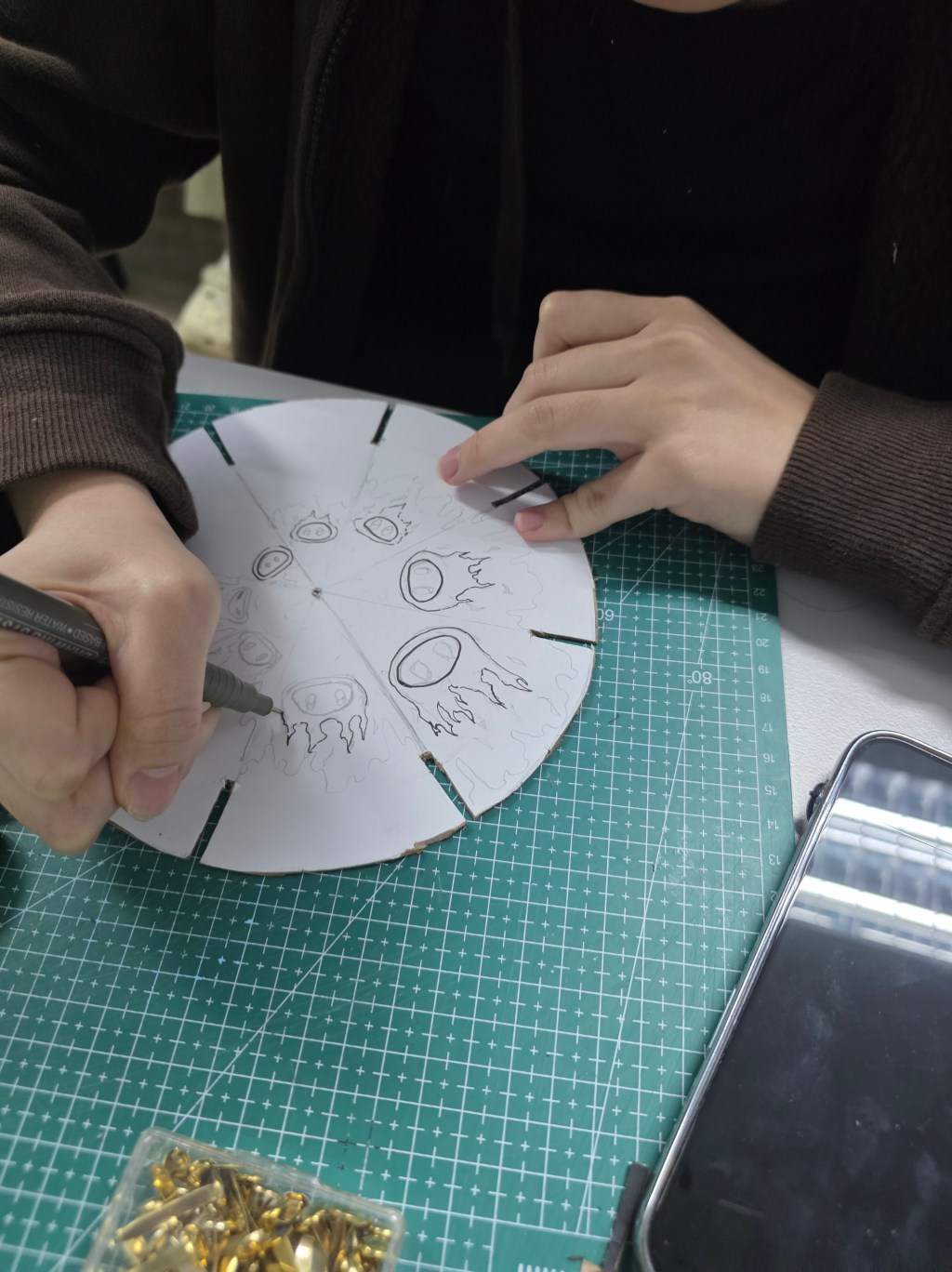
    Projection mapping of the drill going down the earth for extraction. The setup here is straightforward as the the image of the ground is on the flat surface and a paper-based material was used to create a semi-tube like surface for the animation to be mapped upon.

    • Moving along, we have Speed a space that exhibited several types of fast speed simulations like skiing and F1 driving.
    • A Molecule Nano World that also used tablets where the user could play a game of catch the molecule and, in turn, create an awareness of the chemical around us.
    • Of course as you come to a full circle, it was the long awaited Geotime Diorama, the inhouse Jurassic Park filled with robotic dinos and fossils.

    Of course each of her visitors don’t need to leave without purchasing a keepsake from the Xplorasi Gift Shop.

    Robotics and AI
    Students getting really really into it their observational study.
    Students from the Diploma in Multimedia with Animation and Diploma in Immersive Design (ICAD)
  • Take a Walk and Smell the Beans

    Yes, there was once a time during my younger days that we would be told “Coffee is for adults” and it made us wonder WHY!!!? Today, there is no distinction of who can drink and who can’t – well don’t take my word for it parents! It is definitely a wiser decision not to give them coffee till they at least in high school or as we Malaysians call it secondary school. 

    Nevertheless, it comes from my personal observation that when teens begin to infiltrate colleges and universities, they only know the big names such like Starbucks, Coffee Beans and San Francisco Coffee… They certainly have not yet acquired the taste for different beans nor the smell. Mentioning this does not make me a coffee connoisseur even if I would love to call me so!

    That said, I decided to go on a little hunt around SS15, Subang Jaya! As many of the local would know, SS15 is the hottest spot here in Subang Jaya (that is second to Subway Pyramid) and it is well-known for being a hub for food, drinks and until last year – Bubble Tea. People from all classes would gather around for some good food and company or some business deals or a runaway to work remotely far from their office spaces!

    Here is my top-most visited place in SS15!

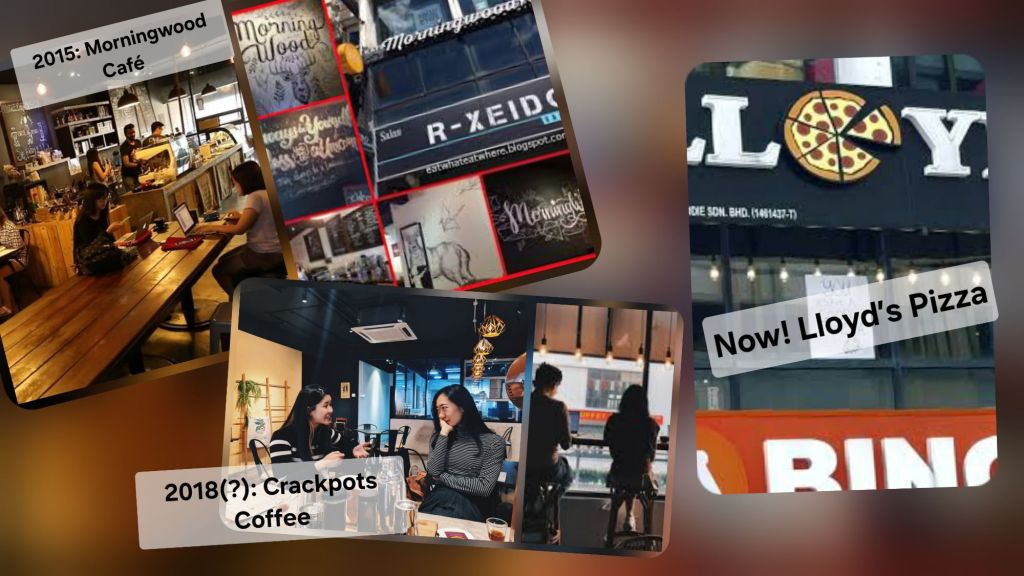
    The Crackpots Coffee Roaster

    This quaint little space is open to serve your coffee needs as early as 7:30am and they feature an interesting selection roasts that comes in from various areas. Located two doors away from Starbucks and on the first floor, customers are greeted by the sweet awakening smell of brewed coffee. The staff would recommend you a drink should you feel you are spoiled for choices.

    //www.instagram.com/embed.js

    Truth be told, the walk up to their store is heavenly. One might be able to miss the entry way up but you cannot miss that sweet smell of freshly brewed coffee. My personal favorite is their freshly baked Lemon Poppy-seed Madeleines and in the simplest way to describe it — “Crispy on the outside, soft on the inside“. These mini goodness are their in-house bakes and goes perfectly well with almost anything else on their beverages menu.

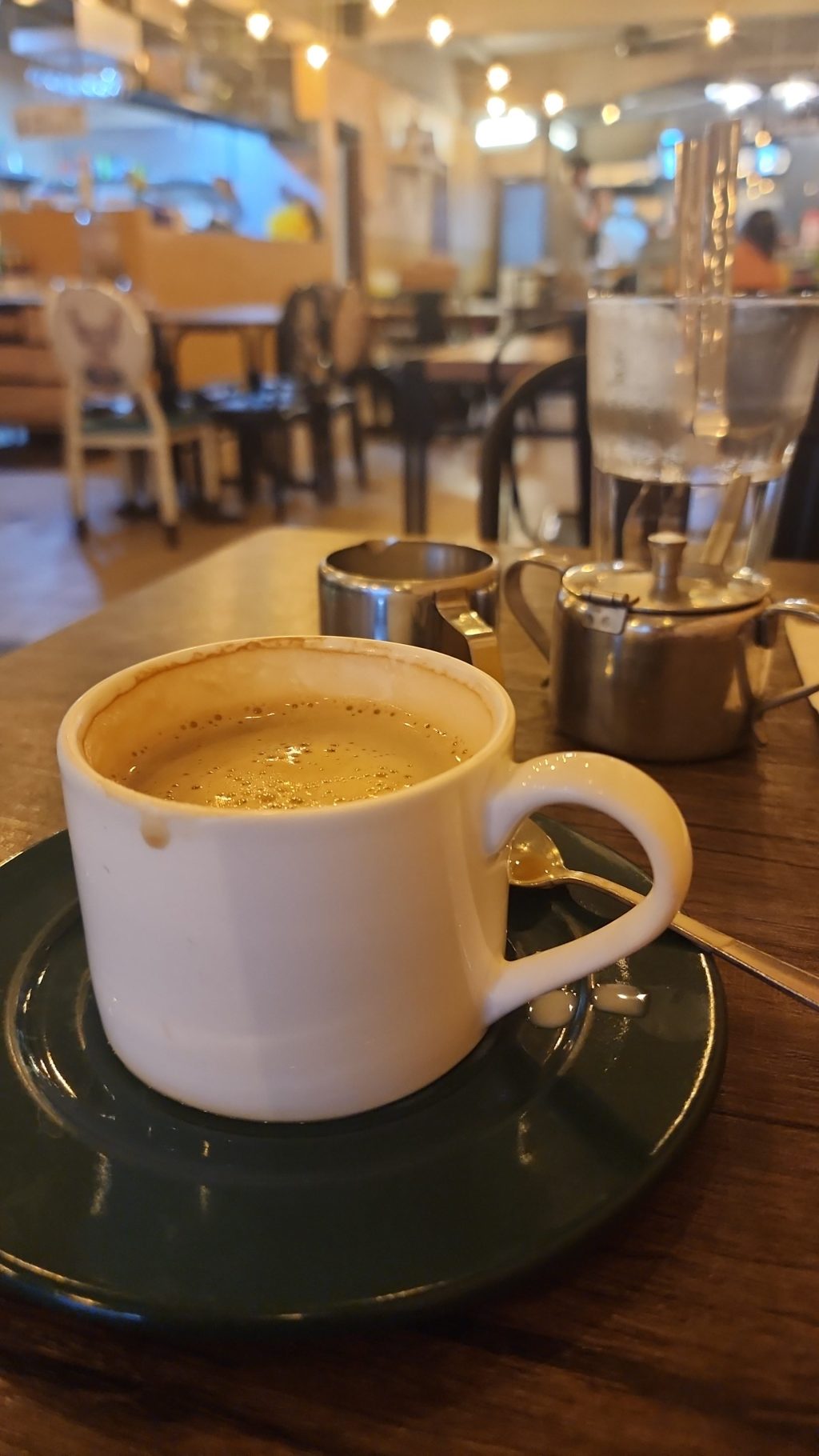
    Another MUST TRY at The Crackpots Coffee Roasters is their Signature Hojicha and especially if you are one who enjoys a non-coffee fix and love your drinks cold. As for coffee-lovers, fret not as the baristas knows their tasters! They will allow you to take a sniff off some of the speciality beans and as they serve you they will encourage you to try test drinking the brew in two ways.

    Until next time!