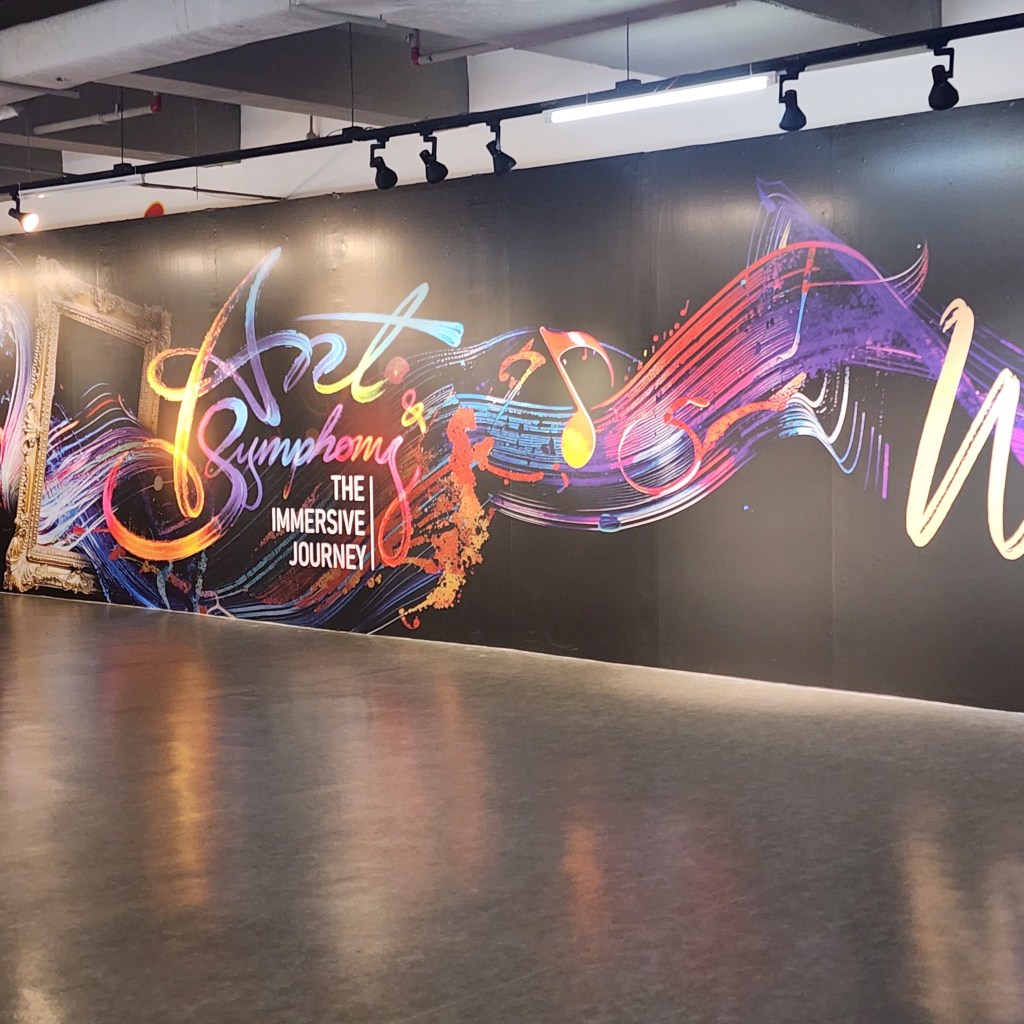
Recently, students from the Diploma in Digital Media Design, Diploma in Immersive Design, Foundation in Design, and Diploma in Graphic Design embarked on a field trip far beyond the traditional classroom. Their destination: the Art and Symphony Immersive Exhibition, a cutting-edge event that combines the worlds of classical art, music, and interactive media that was being showcased at Fahrenheit 88, Kuala Lumpur. This exhibition offered students a rich journey into the depths of multimedia design, showcasing how modern technology can bring age-old art and music to life. For these budding creatives, it was a chance to absorb and engage with animation, sound, and experiential design concepts they could carry into their work.
From the moment the students entered the space, they were met with installations that defied ordinary observation, drawing them in as active participants. Interactions, in particular, played a crucial role in many of the rooms as the marriage of music and visuals evoked a powerful emotional effect for the many who trod through the man-made hallway setup. A memorable highlight was an interactive sound-powered exhibit, where retrofitted microphones allowed each voice to leave a unique artistic imprint. Visitors could sing, speak, or even shout, watching as colours danced and changed in response to pitch, while fans adjusted floating scarves that would rise higher with each louder note, creating a mesmerising and immediate link between sound and visual design.
In spaces dedicated to iconic artists like Monet and Van Gogh, the immersive experience continued. Here, students could step into re-creations of famous paintings, almost as if they’d walked straight into a masterpiece. Visitors could even see themselves transformed into an Impressionist-style portrait—a stunning feat achieved through advanced camera and programming technology. It was an unforgettable experience to see classical art through a modern lens, underscoring the way technology has opened new doors for creative expression.

A Lesson in Art, Sound, and History
From an educational perspective, this trip encouraged students to engage critically with each exhibit. They were prompted to dissect the technical applications, from soundscapes to AI-assisted artistry, and to appreciate the role of art’s great maestros in shaping creative expression. This encounter with AI-generated art, mirroring historical styles, offered inspiration for their upcoming projects, giving students a fresh take on using new tools while respecting classical influences.
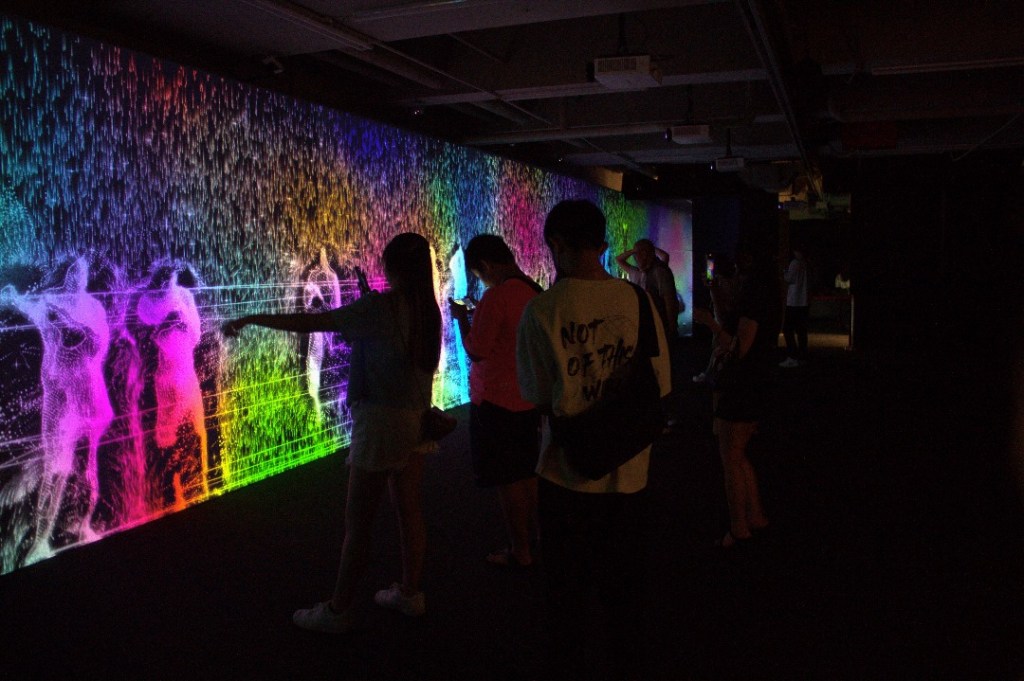
For some, the exhibition inspired insights into colour theory and atmosphere, showing how colours can convey mood just as colour grading does in film. Others found inspiration in the harmonious blend of sound effects and music, sparking ideas to experiment with audio-visual elements in their own storytelling projects. A standout sentiment shared by many was the exhibition’s immersive quality. One student expressed it perfectly: “It really pulled you in by engaging all your senses—mixing music, visuals, and maybe even some interactive elements to create a unified vibe. The large-scale visuals paired with the perfectly timed sound made you feel like you were part of the experience, not just watching from the outside.”
In overall, the Art and Symphony Immersive Exhibition offered more than an artistic showcase; it provided students with a profound lesson on the possibilities of blending tradition with technology. By experiencing how multimedia can enhance storytelling and evoke emotion, students walked away with a deeper understanding of how they, too, might push boundaries in their work. For these students, this trip was a first step in transforming theory into practice, giving them the tools to take creative risks and explore new dimensions of design.

 Beamuse Designs
Leave a comment