Creativity is seeing what others see and thinking what no one else thought – Albert Einstein
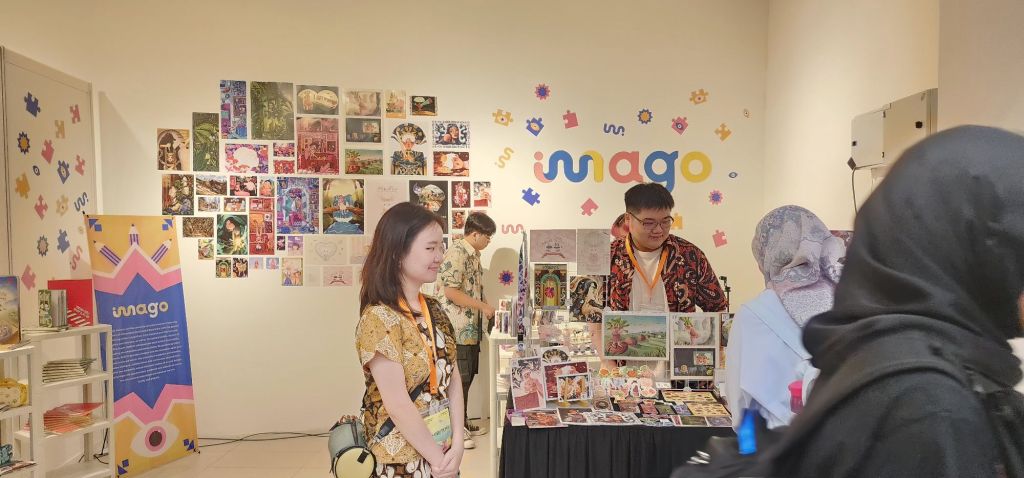
The Kuala Lumpur Illustration Fair (KLIF) is back again and so were we the troopers from INTI Center of Art and Design Subang (ICAD). There is nothing more sweeter than academics, gathering students into a band to fieldtrip an art fair for inspirations, kicks and most importantly, in support of other artist whether they are near or far. This year however was a little more special than the previous as our fellow ICAD Graphic Design lecturers had secured themselves a small space to sell their pieces.
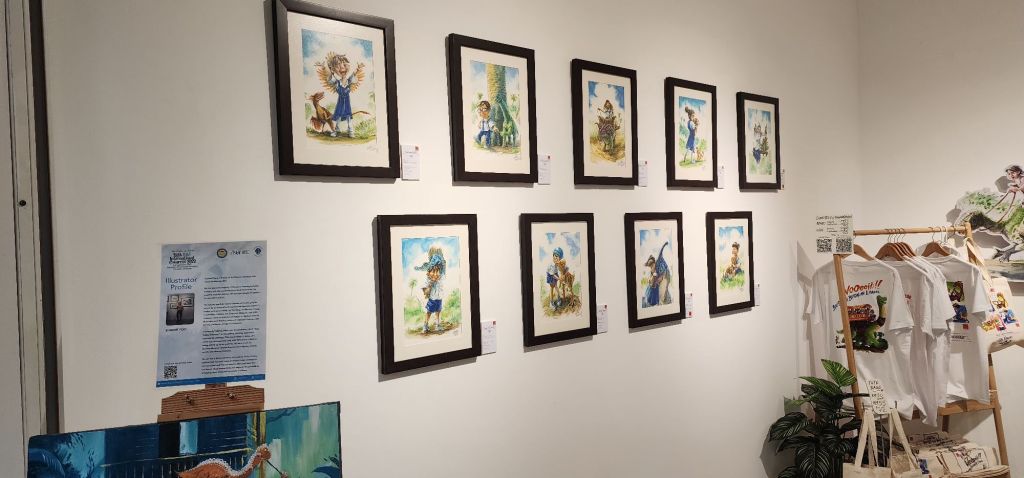
Amazingly, GMBB was packed from the carpark to the event floors. It was great as the event turnout of both art vendors and art enthuasiasts seemed better than the year before. Interestingly there were many new faces exhibiting their works as well as selling and added to that were ICAD’s very own lecturers – Mr Sean Lee, Programme Head for Graphic Design; and lecturers, Mr Chris Tan and Ms Yeo Sue-Jane. With this, Tape Magazine received the rabbit’s foot of luck and got an exclusive with the ever-loving Ms Yeo Sue-Jane.

1. How does your illustrations promote kindness in design, especially regarding sustainability and ethical practices?
My journey as an illustrator is deeply rooted in the enchanting tales and vibrant illustrations of my childhood. Enid Blyton’s books were my constant companions, filling my days with wonder and joy. Their whimsical narratives and captivating illustrations left an impact on my creative spirit and so I try to infuse my illustrations with the same sense of magic.
Kindness, to me, is about spreading positivity and joy through my art. Just as those beloved storybooks brought happiness to my life, I aspire to evoke similar feelings in others through my illustrations. Whether it’s through uplifting characters or heartwarming scenes, I hope to create visuals that resonate with people and hopefully brighten their day.
I believe that by infusing my work with warmth and optimism, I can inspire others to embrace these values too.
Ultimately, my goal is simple: to bring a smile to someone’s face and spread a little bit of joy with every stroke. Through storytelling and illustration, I hope to make the world a brighter and kinder place, one scene at a time.
2. How do you teach kindness in design as both an artist and lecturer?
As both an artist and lecturer, I try to instill kindness in design by cultivating a sense of empathy among my students. I stress the importance of understanding diverse perspectives within their target audience, encouraging them to explore beyond surface-level aesthetics.
I think it’s important to equip students with the mindset and skills to become not just skilled designers, but compassionate advocates for positive impact. By emphasizing empathy as part of the design process, I try to encourage them to create designs that are not only visually stunning but also deeply considerate of the audience.
3. Can you give examples of how your designs benefit the environment, communities, or future generations?
As a designer, I firmly believe that our roles extend beyond simply creating visuals; we have a responsibility to leverage our skills and influence to contribute to larger causes.
In my recent involvement with ‘A Christmas Thingy,’ I had the opportunity to contribute to a project that truly made a positive impact on communities. Working closely with a dedicated team, I played a key role in both the planning and design phases of the initiative, which aimed to bring joy to underprivileged communities during the Christmas season.
By providing gifts, meals, and festive activities, we brought moments of happiness and togetherness to those who may have otherwise felt marginalized or forgotten during the holiday season.
4. Can you share a project where you prioritized kindness in design?
One of my recent illustrations, titled ‘Bee Nice,’ was inspired by the idea of God’s assurance and self-compassion during an emotional time. Amidst all the outward empathy towards others, I believe it is also important to be kind to oneself as a foundation for spreading kindness to others. This was an expression of self-love and empathy.
Through sharing my personal journey of self-discovery and spiritual growth, I found that vulnerability could also be a catalyst for meaningful conversations about mental health, well-being, and the importance of self-compassion. By prioritizing these values, I not only nurtured a deeper sense of self-awareness within myself but also created an opportunity to inspire others to cultivate kindness and empathy towards themselves and towards others.
5. How do you balance artistic expression with social and environmental responsibility?
I find that by continuously reflecting on my artistic practice and considering its impact on society, I have become more mindful and selective about what I choose to share on social media. I am aware of the significant influence it can have, especially now that I have a larger following. Some aspects of my work are best kept offline, but I remain informed about emerging issues and evolving practices, and I’m open to adjusting my approach to align with my personal values.
Even if I don’t explicitly showcase kindness through my artworks sometimes, I try to advocate for it through my actions and interactions in real life. I believe that the way I uphold myself and treat others can speak volumes, contributing to a positive influence beyond the confines of my art.
6. What role do designers and makers play in addressing global challenges like climate change and inequality?
Designers and makers have a significant influence in shaping cultural norms and values through their creations. By advocating for positivity, diversity, and inclusivity in their works, they can promote messages of love and acceptance, while also challenging harmful stereotypes and biases.
Being mindful and responsible about the impact their creations may have on their audience is paramount. Whether they are spreading love or hate, designers and makers must recognize the power they hold and learn to use it responsibly. By considering the potential effects of their work and actively choosing to promote kindness and empathy, they can contribute to a more compassionate and understanding society.
7. What do you hope for the future of design, and how will kindness continue to influence it?
I hope that in the future, there will be more collaboration across different design disciplines, rather than a creative community that is so segregated by practices. This is key to effecting meaningful change. By sharing knowledge, resources, and experiences, designers and makers can create opportunities to educate and raise awareness about the issues they care about, as meaningful conversations fostered through these kinds of collaboration can inspire a collective action towards a better world.
This article was written for the Tape Magazine, an initiative publication by INTI Center of Art and Design (ICAD), INTI International College Subang


 Beamuse Designs
Leave a comment